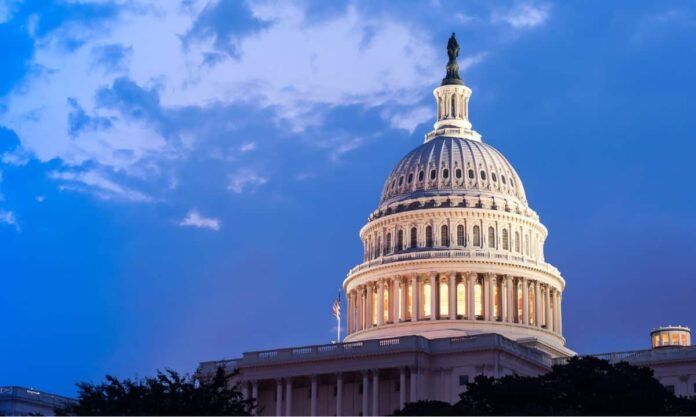
Washington, D.C. – A new draft of the “CLARITY Act” could reshape how cryptocurrency platforms incentivize users, drawing a clearer line between fintech services and traditional banking.
The latest version of the bill emerged from a series of Capitol Hill roundtables that brought together representatives of the crypto industry, banking lobbyists, and federal regulators. The discussions, which have been ongoing for several months, focused on whether digital‑asset platforms should be permitted to offer rewards that resemble interest on stablecoin holdings.
What the Draft Proposes
- Ban on interest‑like stablecoin rewards – The text would explicitly prohibit crypto platforms and any of their affiliates from providing returns that are “directly or indirectly” comparable to bank deposit interest. The prohibition is written to cover any arrangement that is “economically or functionally” similar to a traditional savings‑account yield.
- Permitted activity‑based incentives – The legislation does allow for rewards tied to user engagement, provided they are not classified as interest. Loyalty schemes, promotional bonuses, and subscription‑style benefits could continue, as long as they remain distinct from yield‑generating products.
- Regulatory definition required – The bill tasks the U.S. Securities and Exchange Commission (SEC), the Commodity Futures Trading Commission (CFTC) and the Treasury Department with jointly drafting guidance that clarifies which incentives are permissible and how they should be monitored.
Industry Feedback
Crypto journalists and market participants who have reviewed the draft have offered mixed reactions:
-
Concerns over vagueness – Some observers note that the “economic equivalence” standard is loosely defined, potentially giving regulators broad discretion to deem a wide range of reward structures as prohibited interest. This could limit the ability of platforms to design innovative, balance‑ or volume‑based incentive programs.
-
A workable compromise – Other stakeholders view the proposal as a balanced middle ground. They argue that allowing transaction‑linked bonuses while barring stablecoin yields addresses regulators’ worries about “bank‑like” deposits without crippling the industry’s marketing tools.
- Comparison to earlier drafts – The current version is seen as less restrictive than the earlier Tillis‑Alsobrooks proposal, which would have imposed tighter constraints on all reward mechanisms. Many insiders regard the present draft as the most favorable outcome achievable under the current political climate.
Banking representatives are slated to review the language later this week, signalling that the dialogue between the two sectors remains active.
Analysis
The CLARITY Act reflects a growing regulatory appetite to prevent the blurring of lines between crypto platforms and traditional depositories. Stablecoins, by virtue of their dollar‑pegged nature, have attracted scrutiny from banks worried about competition for deposit dollars and from regulators concerned about systemic risk. By targeting “interest‑like” returns on stablecoins, lawmakers aim to:
- Preserve the deposit function for regulated banks – Preventing crypto platforms from offering yields that mimic savings accounts safeguards banks’ core business model and the associated regulatory framework.
- Maintain innovation in user incentives – Allowing non‑interest activity rewards preserves a key marketing lever for fintech firms, encouraging engagement without crossing regulatory boundaries.
- Create a clear regulatory footing – Assigning the SEC, CFTC and Treasury the task of defining permissible incentives should reduce legal uncertainty, provided the guidance is detailed and predictable.
However, the success of the legislation will hinge on how narrowly or broadly regulators interpret “economic equivalence.” A strict reading could effectively bar many existing loyalty programs, while a more permissive view would leave room for creative reward structures that stay within the law.
Key Takeaways
- Stablecoin interest bans: The draft explicitly blocks any reward that functions like bank interest on stablecoin balances.
- Activity rewards survive: Loyalty, promotional and subscription‑type incentives remain permissible, provided they are not classified as interest.
- Regulators to define terms: The SEC, CFTC and Treasury will collaborate on detailed guidance, shaping how platforms implement rewards.
- Industry split: Some view the proposal as overly vague and restrictive; others see it as a reasonable compromise compared with earlier, harsher drafts.
- Next steps: Banking groups will provide feedback this week, after which the bill may move toward formal introduction and eventual congressional vote.
The forthcoming weeks are likely to determine whether the CLARITY Act will become the definitive framework governing crypto‑derived incentives, or if further negotiations will produce a different legislative path.
Source: https://cryptopotato.com/clarity-act-could-stop-platforms-acting-like-banks-but-rewards-stay/