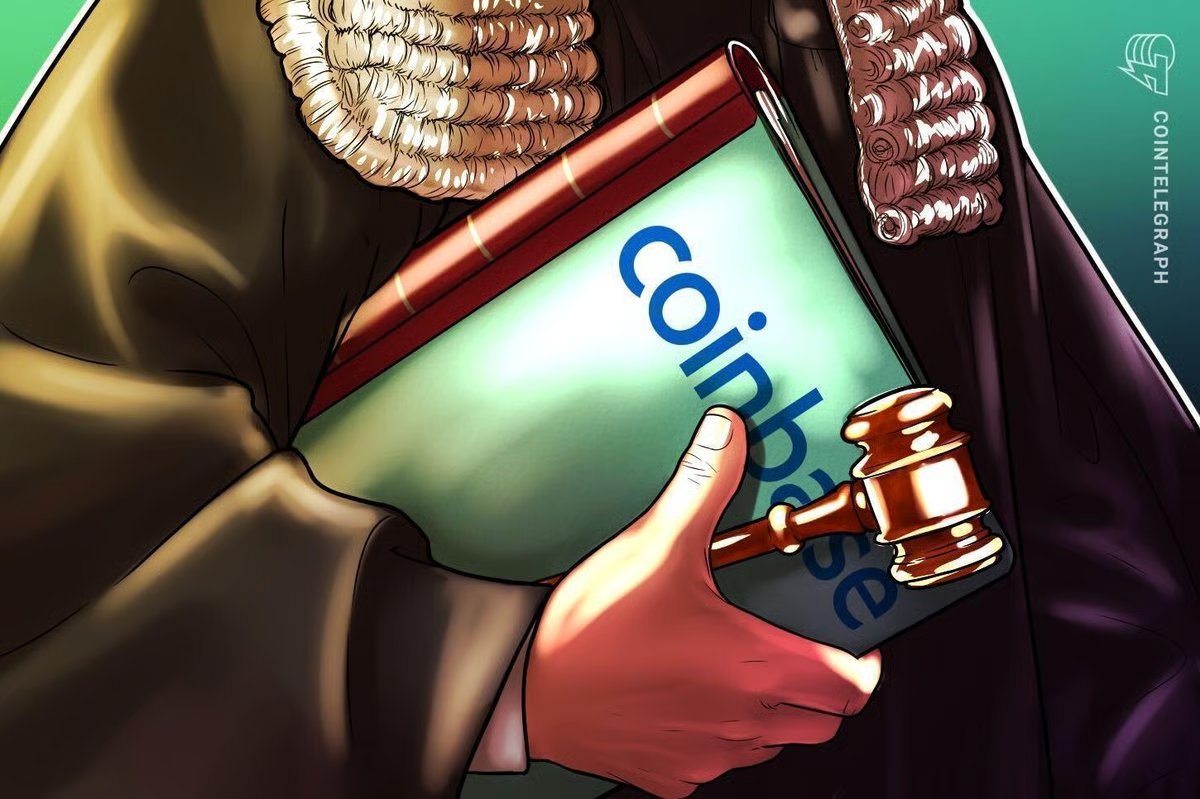
Coinbase Insider‑Trading Suit Advances After Delaware Judge Rejects Dismissal Request
Delaware Chancery Court allows shareholder case alleging insider trading by Coinbase executives to proceed, citing concerns over the independence of the special‑litigation committee that cleared the directors.
The lawsuit
A Delaware shareholder filed a complaint in 2023 accusing several Coinbase directors – most prominently CEO Brian Armstrong and board member Marc Andreessen – of exploiting non‑public information around the exchange’s 2021 direct listing. The suit contends that the insiders sold roughly $2.9 billion in shares in the days surrounding the debut, thereby avoiding what the plaintiff describes as “more than $1 billion in losses.”
- Armstrong is alleged to have disposed of about $291 million in personal holdings.
- Andreessen, through his venture firm Andreessen Horowitz, is accused of selling roughly $119 million of stock.
The complaint argues that the directors were aware that Coinbase’s valuation was inflated and that the subsequent price decline would have hurt their positions. The filing also points to the unique structure of Coinbase’s direct listing – which lacks a traditional lock‑up period and does not involve the issuance of new shares – as a factor that enabled rapid insider sales.
Court’s ruling
On Friday, Delaware Chancery Court Judge Kathaleen St. J. McCormick denied Coinbase’s motion to dismiss the case. While the judge acknowledged that the internal investigation conducted by a special‑litigation committee (SLC) provided a “strong defense” for the directors, she found that questions about the independence of one SLC member warranted further scrutiny.
The SLC, appointed by Coinbase’s board, spent ten months reviewing the transactions. Its final report concluded that:
- The sales were relatively modest in the context of the company’s overall market cap.
- The primary purpose of the sales was to create liquidity for the direct listing, not to profit from inside information.
- Coinbase’s share price tracked the price of Bitcoin closely, undermining the claim that the trades were driven by undisclosed corporate data.
Coinbase and the named defendants have flatly denied any wrongdoing, stating that there is no evidence they possessed material non‑public information. In a statement to Bloomberg Law, Coinbase described the judge’s decision as “disappointing” and reiterated its intention to contest what it calls “meritless claims.”
Independence concerns
The plaintiff’s challenge focused on the relationship between Gokul Rajaram, a member of the SLC, and Andreessen’s venture firm. Documents reveal prior business interactions between Rajaram and Andreessen Horowitz, prompting the court to consider whether the committee’s composition was sufficiently independent to render an unbiased assessment. Judge McCormick noted that while there was no indication of bad faith, the appearance of a conflict was enough to keep the case alive.
New insider‑trading allegations
Parallel to the shareholder suit, a separate set of accusations has emerged involving alleged insider trading on Coinbase’s token‑listing platform. Crypto researchers allege that some traders may have leveraged blockchain analytics and technical signals to anticipate which assets Coinbase intended to list, profiting before public announcements.
In response, Coinbase has announced plans to overhaul its token‑listing procedures over the next several quarters, aiming to reduce information leakage and ensure a more equitable market environment.
Analysis
The decision to let the shareholder lawsuit move forward underscores the heightened scrutiny that public companies – especially those in the volatile crypto sector – face regarding insider‑trading compliance. While the SLC’s findings paint a picture of routine liquidity management, the court’s emphasis on independence highlights an area where corporate governance can be challenged in high‑profile cases.
For Coinbase, the ongoing litigation adds to a broader narrative of regulatory and legal pressures confronting crypto exchanges as they mature into publicly traded entities. The firm’s pledge to adjust its token‑listing process suggests a proactive stance, but the outcome of the shareholder case may set a precedent for how direct listings are monitored for insider activity.
Key takeaways
- Delaware judge denies dismissal: The shareholder suit alleging insider trading by Coinbase’s top executives proceeds.
- Special‑litigation committee’s findings: The committee concluded the sales were for liquidity, not profit from inside information, but its independence was called into question.
- Potential governance implications: The case may prompt tighter standards for committee composition in corporate investigations.
- Broader insider‑trading concerns: New allegations related to token listings indicate that insider‑trading risks extend beyond equity shares for crypto exchanges.
- Coinbase’s response: The exchange plans to revamp its token‑listing workflow to curb information leaks and bolster market fairness.
The litigation is expected to continue through the discovery phase, with both parties likely to present further evidence on the timing and motivation behind the sales. Stakeholders will be watching closely for any rulings that could reshape insider‑trading oversight for direct‑listed companies in the cryptocurrency industry.
Source: https://cointelegraph.com/news/coinbase-insider-trading-lawsuit-against-armstrong-directors-moves-forward?utm_source=rss_feed&utm_medium=feed&utm_campaign=rss_partner_inbound