
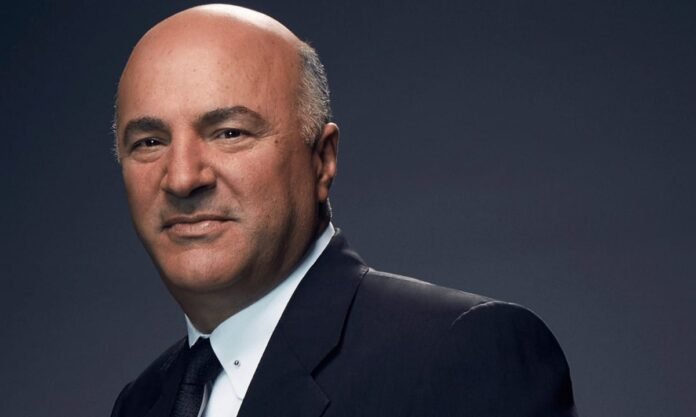
Court Orders Crypto Influencer “BitBoy” to Pay $2.8 Million in Defamation Judgment Over Viral Claims Against Kevin O’Leary
By [Your Name] – February 16 2026
A United States federal judge has entered a default judgment against Ben Armstrong, the former “BitBoy” of the BitBoy Crypto brand, ordering him to pay $2.8 million to investor and television personality Kevin O’Leary. The ruling follows a defamation suit stemming from a series of inflammatory posts Armstrong made on the social‑media platform X in March 2025.
The case at a glance
- Plaintiff: Kevin O’Leary, venture‑capitalist, “Shark Tank” personality.
- Defendant: Ben Armstrong, a well‑known crypto commentator who operated under the “BitBoy” moniker.
- Court: U.S. District Court, Southern District of Florida.
- Judge: Beth Bloom.
- Award: $2,800,000 total – $78,000 for reputational harm, $750,000 for emotional distress, and $2,000,000 in punitive damages.
Armstrong never filed an answer or otherwise participated in the litigation. Judge Bloom entered the judgment as a default after determining that the defendant had been properly served and had failed to respond for nearly a year. A motion filed in January 2026 seeking to overturn the default on the grounds of mental‑health issues and incarceration was rejected.
What sparked the lawsuit?
In late March 2025, Armstrong posted a series of accusations on X claiming that Kevin O’Leary and his wife, Linda O’Leary, were responsible for a 2019 boating collision on an Ontario lake that left two people dead. Armstrong alleged that the O’Learys had paid “millions of dollars” to conceal their involvement and even labeled the television personality a “real‑life murderer.”
The posts also included Kevin O’Leary’s private phone number and encouraged followers to contact him. X temporarily suspended Armstrong’s account for violating its harassment policies.
The claims were factually inaccurate: O’Leary was a passenger in the boat and was never charged in connection with the accident, while Linda O’Leary was acquitted of careless vessel operation after a 13‑day trial.
Armstrong’s broader legal backdrop
The judgment adds to a growing list of legal problems for Armstrong:
| Year | Incident |
|---|---|
| 2023 (Aug.) | Removed from the BitBoy Crypto brand after the parent company cited concerns about substance abuse. |
| 2025 (Mar.) | Arrested on a fugitive warrant linked to alleged threats made toward a Georgia judge. |
| 2025 (Jun.) | Detained on multiple counts of harassing telephone calls. |
| 2025 (Late) | Faced public backlash after admitting paid promotions for projects that later failed or were deemed fraudulent. |
| 2025 (Late) | Initiated, then abandoned, a defamation suit against YouTuber Atozy after community outcry. |
Armstrong’s legal history underscores a pattern of confrontational behavior and contentious online activity, which likely contributed to the court’s willingness to impose a substantial punitive award.
Analysis
1. Defamation risk for crypto influencers
The ruling serves as a cautionary tale for content creators in the cryptocurrency space. While the sector often thrives on bold predictions and provocative commentary, the line between opinion and false statements of fact remains legally enforceable. Influencers who disseminate unverified accusations, especially those that include personal contact information, expose themselves to costly litigation.
2. The impact of default judgments
Armstrong’s failure to engage in the litigation process resulted in a default judgment—a procedural outcome that can dramatically increase the financial exposure of a defendant. The case highlights the importance of timely legal counsel and the risks of ignoring civil lawsuits, even when the defendant believes the claim is frivolous.
3. Potential chilling effect on legitimate criticism
Some observers worry that high punitive damages could intimidate legitimate criticism of public figures in the crypto industry. However, the judgment’s emphasis on the false and harassing nature of the statements suggests that protected speech—i.e., opinions grounded in factual evidence—remains defensible.
4. Repercussions for the BitBoy brand
Although Armstrong has been detached from the BitBoy Crypto brand for more than two years, the negative publicity may still affect the entity’s residual reputation and any partners still associated with the name. The episode reinforces the importance for brands to distance themselves from individuals who present legal and ethical liabilities.
Key takeaways
- Financial liability: Ben Armstrong must pay $2.8 million, with $2 million designated as punitive damages to deter future misconduct.
- Procedural lesson: Ignoring a civil complaint can result in a default judgment and significantly higher awards.
- Content‑moderation warning: Publishing private contact information and making unverified criminal accusations expose influencers to both platform sanctions and civil liability.
- Industry implication: The case adds to a growing body of precedent that can shape how cryptocurrency media figures approach commentary, especially when targeting high‑profile individuals.
As the cryptocurrency ecosystem continues to mature, regulators, platforms, and creators alike will need to balance robust market discourse with responsible, fact‑checked communication. The Armstrong‑O’Leary verdict marks a notable data point in the evolving legal landscape surrounding online influence and defamation.
Source: https://cryptopotato.com/court-slams-bitboy-with-punitive-damages-over-viral-accusations-against-kevin-oleary/







































