


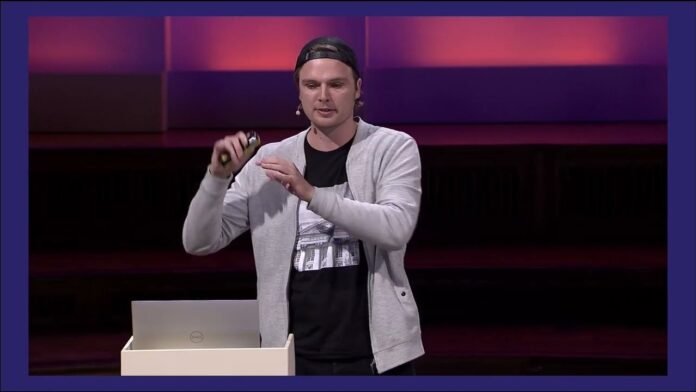
GitcoinDAO Champions “Governance‑in‑Data” with Ivan Molto and Fred Hjalmarsson
The DAO’s leaders detail how Gitcoin’s on‑chain infrastructure and Dune dashboards are democratizing data access for every member.
San Francisco, Mar 4 2026 – In a recent walkthrough for the broader crypto community, GitcoinDAO co‑founders Ivan Molto (Twitter: @ivanmolto) and Fred Hjalmarsson explained how the organization’s suite of on‑chain tools, combined with real‑time analytics on Dune, creates a transparent data layer that underpins its decentralized governance model.
The discussion, hosted on the DAO’s official channels, highlighted three core pillars of Gitcoin’s “governance‑in‑data” approach:
| Pillar | What Gitcoin does | Why it matters |
|---|---|---|
| Open‑source infrastructure | All grant‑allocation contracts, voting mechanisms and treasury movements are posted on public repositories and verified on‑chain. | Removes black‑box decision making and allows any stakeholder to audit code and fund flows. |
| Dune‑powered dashboards | Custom Dune queries pull live data from Gitcoin’s smart contracts, presenting metrics such as grant disbursements, voter participation, and match‑funding efficiency. | Provides a single source of truth that can be accessed without technical barriers. |
| Equal‑access onboarding | New DAO members are automatically granted read‑only permissions to the dashboards and are walked through the data visualisations during orientation. | Ensures every participant – from core contributors to community volunteers – starts with the same factual baseline. |
Why Data Transparency Is a Game‑Changer
GitcoinDAO, best known for its quarterly funding rounds that match developer contributions with community grants, has long championed open collaboration. However, as the DAO’s treasury grew beyond $400 M in allocated funds, the need for scalable, auditable, and inclusive data became critical.
Molto and Hjalmarsson emphasized that data is the new governance token. By exposing the same metrics to all members, the DAO mitigates the risk of information asymmetry—a common weakness in many decentralized autonomous organizations where a small cadre controls proprietary analytics tools.
“The moment you give every voter the same snapshot of the treasury and the voting history, you level the playing field,” Molto said. “It’s not enough to be permissionless; we must also be accessible.”
The Role of Dune in the Ecosystem
Dune Analytics has emerged as a de‑facto standard for on‑chain data querying. Gitcoin’s integration leverages Dune’s SQL‑based language to translate raw Solidity events into human‑readable tables and visualisations. The dashboards automatically update with each new block, allowing real‑time monitoring of:
- Grant pipeline health: Number of active proposals, average funding per round, and time‑to‑approval.
- Community engagement: Voter turnout, delegation patterns, and geographic distribution of participants.
- Financial integrity: Daily inflow/outflow of match‑fund pools, token price impact, and reserve ratios.
Because Dune dashboards are public, anyone can fork the queries, verify the logic, or build derivative tools—further expanding the data ecosystem around Gitcoin.
Potential Challenges
While the model promises transparency, it also raises practical concerns:
- Query complexity: Some Dune queries require advanced SQL knowledge, potentially excluding non‑technical members despite the “open access” label.
- Data overload: An abundance of metrics can create analysis paralysis, making it harder for members to focus on the most actionable insights.
- On‑chain latency: Real‑time data is still limited by block finality and network congestion, which could delay critical governance decisions.
Molto acknowledged these hurdles, noting that the DAO is experimenting with “data literacy workshops” and tiered dashboard views to balance depth and usability.
Key Takeaways
- Data‑first governance: GitcoinDAO leverages open‑source contracts and Dune dashboards to ensure every member has equal, real‑time access to critical governance data.
- Transparency as a security layer: By eliminating information asymmetry, the DAO reduces the risk of collusion and improves community trust.
- Scalable onboarding: Automated data access becomes a cornerstone of new‑member onboarding, fostering a more inclusive decision‑making environment.
- Challenges remain: Technical barriers, information overload, and on‑chain latency are being addressed through education initiatives and UI simplifications.
- Industry signal: Gitcoin’s model may set a precedent for other DAOs seeking to embed data transparency into their governance frameworks, potentially raising the baseline for auditability across the DeFi sector.
For a deeper dive into Gitcoin’s technical architecture and upcoming governance initiatives, visit gitcoin.co.
Source: https://dune.com/blog/governance-in-data-with-ivan-molto-fred-hjalmarsson-of-gitcoindao













































